


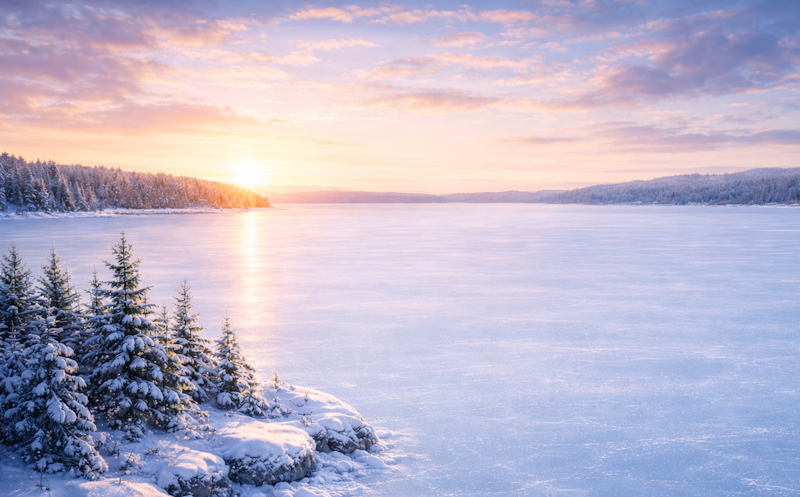
Traverse City, Mich. — Grand Traverse Bay has frozen over only a handful of times in the past several decades, according to long-term records maintained by regional environmental researchers, highlighting a sharp decline in full winter ice coverage compared to earlier generations.
According to records cited by The Watershed Center Grand Traverse Bay, which serves as the unofficial record-keeper for bay ice conditions, the West Bay portion of Grand Traverse Bay has fully frozen — defined as continuous ice coverage extending to Power Island — in just seven winters since 2000.
Those documented freeze-over years are:
- 2003
- 2009
- 2014
- 2015
- 2018
- 2019
- 2026, marking the first confirmed freeze since 2019
The 2026 freeze followed an extended period of extreme cold, allowing ice to form consistently across the bay — a sight many longtime residents say has become increasingly rare.
While detailed year-by-year freeze records dating back to 1980 are not fully published online, historical analysis referenced by the Watershed Center indicates a dramatic long-term shift. Prior to 1980, West Bay froze over in roughly 80 percent of winters. Since 1980, that figure has dropped to approximately 40 percent, reflecting broader warming trends across the Great Lakes region.
Environmental scientists attribute the decline in consistent ice coverage to rising winter temperatures, shorter cold spells, and increased variability in seasonal weather patterns. Ice cover plays a significant role in bay ecology, helping reduce shoreline erosion, regulate water temperatures, and affect fish spawning cycles.
The Watershed Center uses a strict standard when determining whether the bay has “frozen,” requiring solid ice across West Bay to Power Island rather than partial or shoreline ice. This distinction helps ensure consistency in long-term climate records.
Researchers say continued monitoring of freeze-over events provides valuable insight into how climate change is reshaping Northern Michigan’s winters — and serves as a visible reminder of environmental changes occurring closer to home.