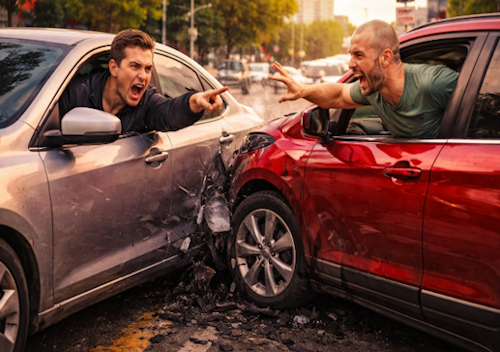
Every time traffic backs up for miles because of a crash, the same excuses float around: poor road conditions, bad weather, someone else’s mistake. But let’s be honest—far too many accidents happen for one simple reason: people drive too fast and refuse to think.
Speeding isn’t a harmless habit. It’s not confidence. It’s not efficiency. It’s impatience mixed with overconfidence, and it turns multi-ton vehicles into unpredictable weapons. The science is clear and boringly consistent: higher speeds mean less reaction time, longer stopping distances, and far more severe injuries. Yet drivers still barrel down city streets like they’re late for a checkered flag.
What’s especially maddening is where this happens. Neighborhoods. Construction zones. Downtown corridors with pedestrians, cyclists, and workers just trying to do their jobs. These are not racetracks. They’re shared spaces, and treating them otherwise is reckless, not rebellious.
Speeders love to believe they’re “good drivers.” They’ll say they have fast reflexes, good brakes, or lots of experience. But every crash report tells the same story: the driver didn’t have time to react. Skill doesn’t beat physics. Tires don’t grip better because you’re in a hurry. Momentum doesn’t care how annoyed you are.
And when accidents happen, it’s rarely the speeder who pays the full price. It’s the person they hit. The family stuck in traffic for hours. The emergency crews pulled away from real crises. The community left with higher insurance rates and another roadside memorial.
This isn’t about perfection. Everyone makes mistakes behind the wheel. But choosing to drive well above the limit, weave through traffic, or ignore conditions isn’t a mistake—it’s a decision. And it’s one that puts everyone else at risk for the sake of saving a minute or two.
So no, accidents caused by speeding aren’t “unavoidable.” They’re predictable. Preventable. And frankly, unnecessary.
Slow down. Pay attention. Arriving a little later is always better than not arriving at all.